
About these cases: I’m Christopher Bahan, an A&P mechanic with Inspection Authorization and an ATP-rated former airline pilot. On a pre-buy I work for the buyer. Owner names and tail numbers are left out to protect the people involved.
Case 1: Cessna Turbo 210, low fuel flow found on the evaluation flight

What I found: On the takeoff run of the evaluation flight, fuel flow was 28.6 GPH. Continental’s published takeoff fuel flow for this engine is 30.7 to 31.7 GPH, so it was 2.1 GPH below the minimum and 3.1 GPH below the maximum. The airplane had reduced power and high temperatures climbing out in the Texas heat.
How it was found: An in-flight fuel system and fuel flow check at full power, done per Continental’s fuel-system procedure in the M-0 Standard Practice Maintenance Manual (formerly SID 97-3G).
Why it matters: At takeoff power, a fuel-injected Continental relies on full rated fuel flow for both power and cylinder cooling. Low fuel flow at full power means less power and hotter cylinders when the engine is working hardest.
What a quick look misses: This only shows up at full power in flight. A ground-only inspection would not have caught it.
Case 2: Cessna 421C, fuel leaking from the fuel control
What I found: Fuel leaking from the fuel control with the engine running.
How it was found: The engine-running portion of the inspection.
Why it matters: Fuel near a hot engine is a fire risk.
What a quick look misses: Leaks like this can be invisible with the engine shut down.
Case 3: Cessna 421C, failed fuel pump shaft seal
What I found: A different 421C, with a failed engine-driven fuel pump shaft seal. Fuel was pumping out of the seal cavity drain.
How it was found: The engine-running inspection.
Why it matters: A failed seal means the pump needs attention before the airplane is flown regularly, and it is a cost the buyer should know about before closing.
What a quick look misses: With the engine off there may be little or nothing to see.
Case 4: Piper, alternator cutting in and out
What I found: The ammeter needle swinging as the alternator cut in and out. The cause was an open in one of the alternator’s three stator windings.
How it was found: Watching the charging system with the engine running.
Why it matters: A charging fault can leave you running on battery alone in flight.
What a quick look misses: A short run-up can look normal. The fault shows when the system is watched under load.
Case 5: Burned and warped exhaust valve
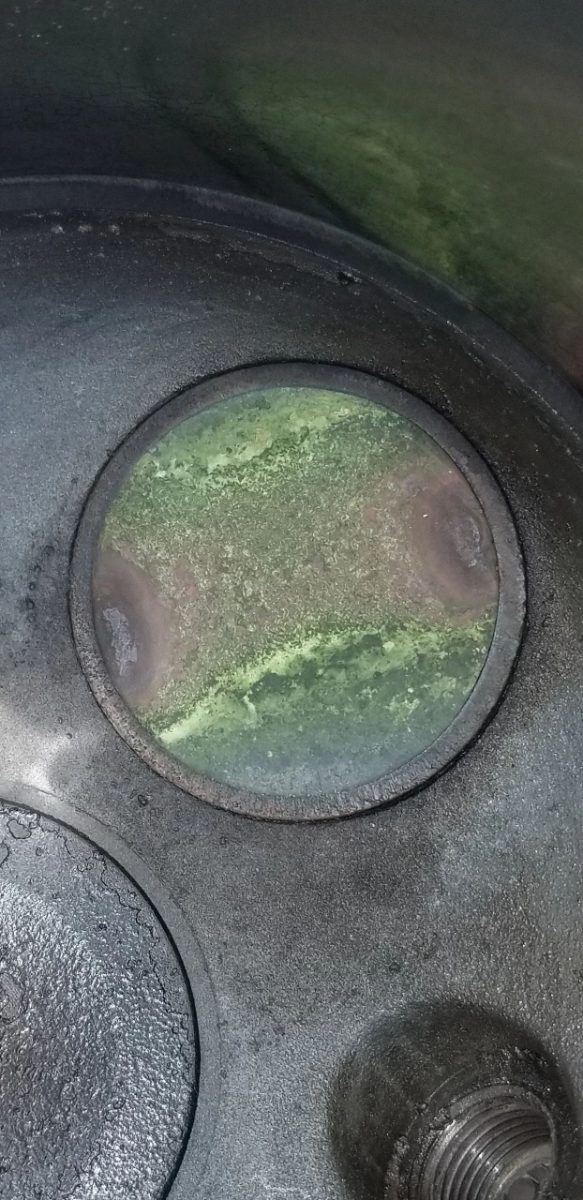
What I found: An extremely burned and warped exhaust valve.
How it was found: Cylinder borescope inspection.
Why it matters: A valve in this condition needs cylinder work, and a buyer should know that before agreeing on a price.
What a quick look misses: One good compression reading does not show the condition of the valves. The borescope does.
Case 6: Piper Aerostar, wing spar crack
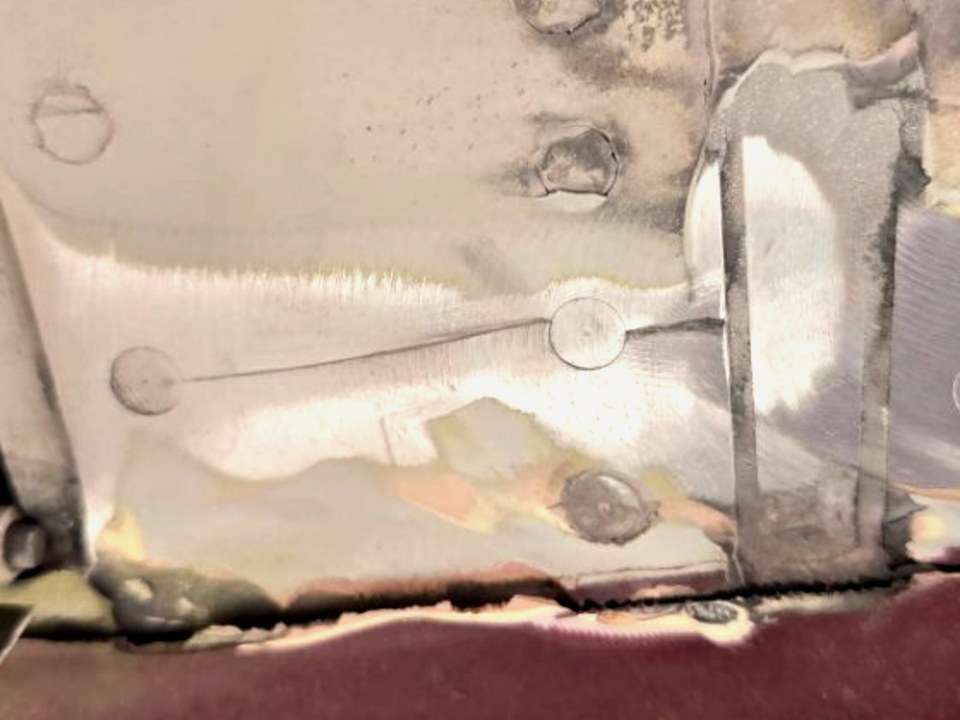
What I found: A crack in a wing spar.
How it was found: A close structural inspection.
Why it matters: A spar is primary structure. A crack there is an airworthiness issue and can be a major repair.
Case 7: Landing gear crack

What I found: A crack in a landing gear component.
How it was found: Dye-penetrant inspection.
What a quick look misses: Small cracks in gear parts are often not visible to the eye until they are checked with dye penetrant.
Case 8: Cessna 172, non-FAA-approved automotive voltage regulator
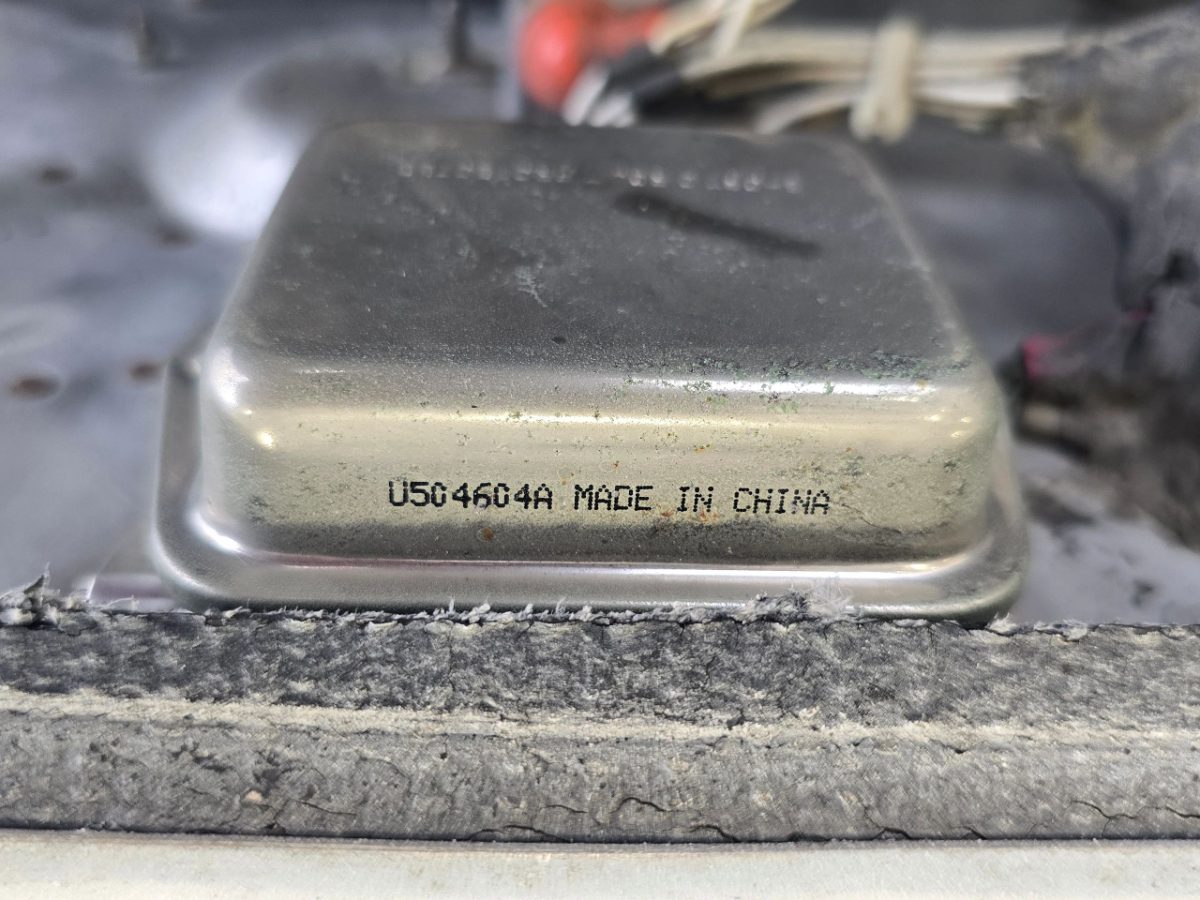
What I found: A Chinese-made automotive voltage regulator installed in place of an approved part.
Why it matters: It is not an FAA-approved part, so the aircraft is not airworthy until it is replaced with an approved regulator.
What a quick look misses: An unapproved part can look like it belongs there. It takes knowing what should be installed.
Case 9: Aftermarket fuel screen, improperly installed and leaking
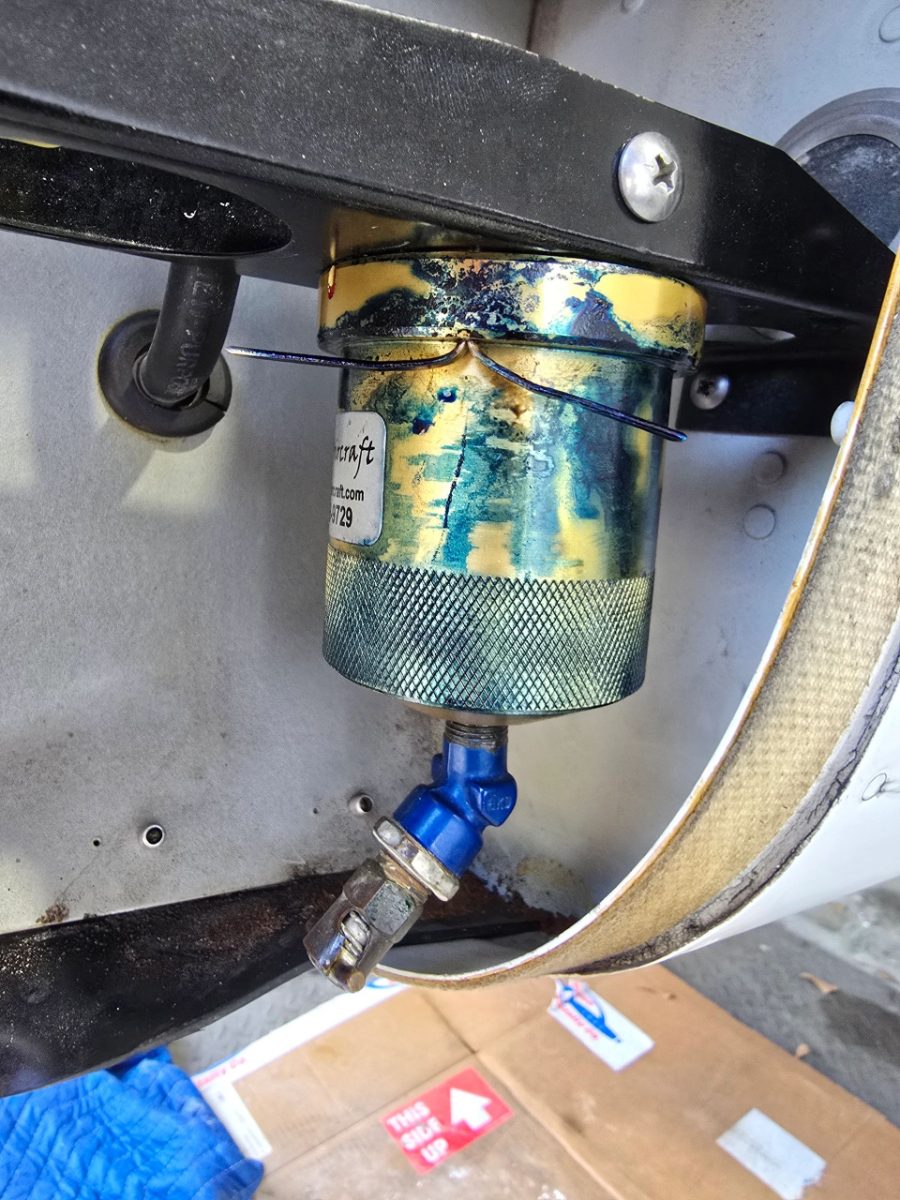
What I found: An aftermarket fuel screen system installed with non-structural screws, actively leaking, as shown by the blue fuel stains.
Why it matters: An active fuel leak and an improper installation both need to be corrected before the airplane is airworthy.
Case 10: Piper, split muffler leaking carbon monoxide
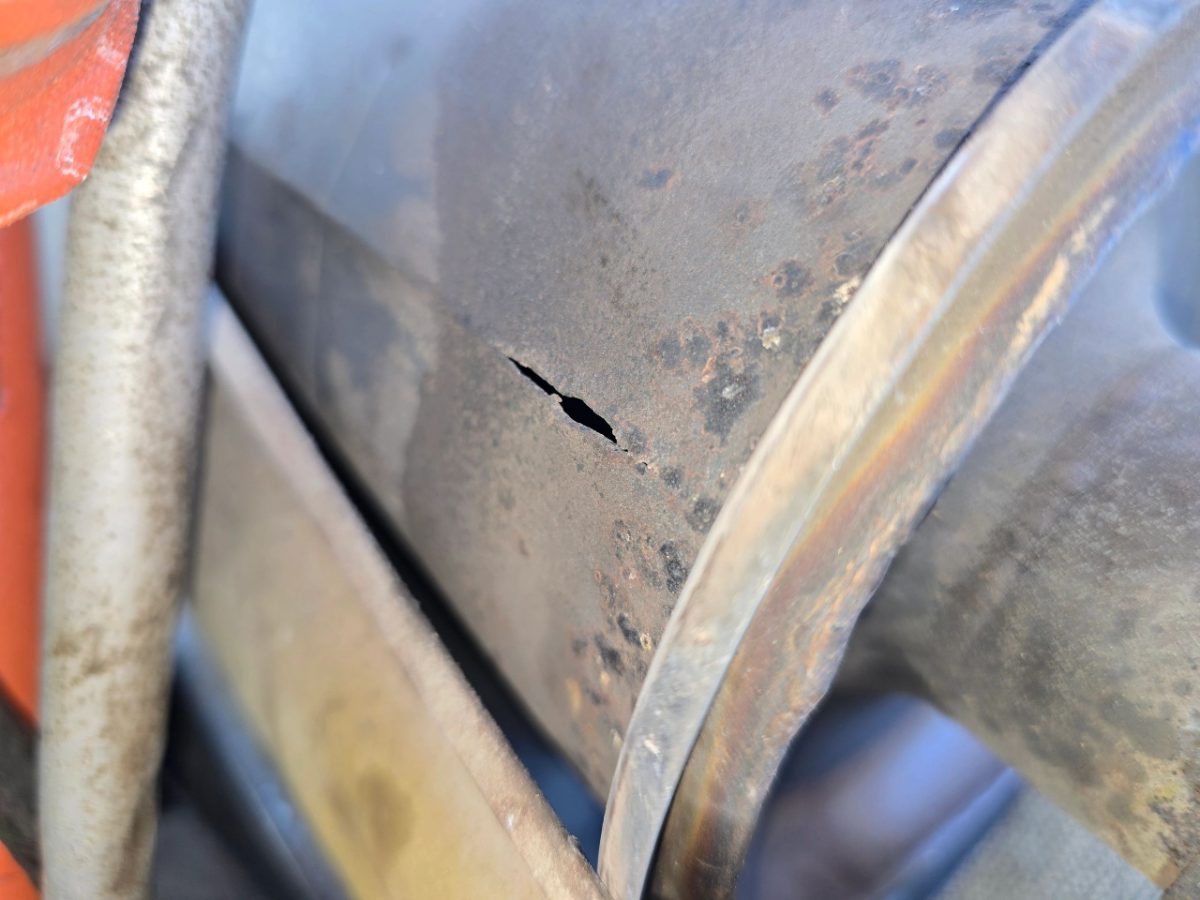
What I found: A split muffler inside the muffler shroud, actively leaking carbon monoxide into the cabin.
Why it matters: Cabin heat comes from air passing over the muffler, so a split muffler can put carbon monoxide in the cabin.
What a quick look misses: The damage was inside the shroud, out of sight unless the shroud is opened.
Want this kind of inspection on the airplane you’re buying?
Send me the listing and I’ll do a free preliminary logbook and history review before you sign. I travel to the aircraft anywhere in the U.S., often on short notice. See a sample inspection report, read 8 pre-buy tips, or verify my FAA certificates.